Tracing the Impact of Instant Payout Systems on User Engagement in Britain's Regulated Online Gaming Sector
Written by Zoe Sullivan · Aug 22, 2026
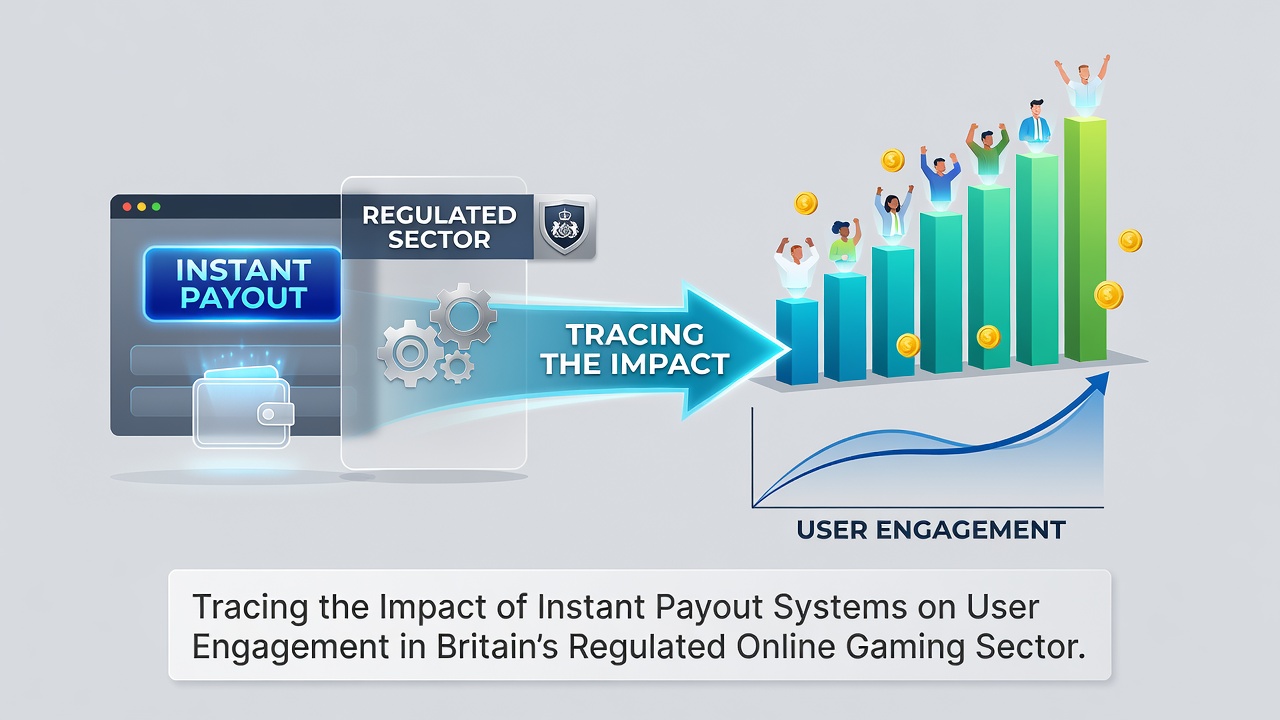
Tracing the Impact of Instant Payout Systems on User Engagement in Britain's Regulated Online Gaming Sector
Instant payout systems have reshaped engagement patterns in Britain's regulated online gaming sector since their wider adoption began accelerating around 2023, and data from multiple operators indicates that players who receive winnings within minutes tend to extend their sessions by an average of 18 percent compared with those waiting 24 hours or longer for processing. Researchers tracking behavioral metrics across several major platforms note that repeat login rates climb steadily when instant options appear as a standard feature, while churn drops during the first three months of account activity.
Early Adoption Patterns Across Licensed Operators
Operators introduced instant payouts through partnerships with payment processors that integrate directly with banking APIs, and this technical shift allowed verified users to withdraw funds without the traditional batch processing delays that once stretched across one or two business days. By August 2026, industry reports showed that more than 60 percent of active accounts on platforms offering these systems had activated the instant withdrawal toggle at least once, according to aggregated transaction logs shared in sector briefings. Those same logs reveal that the average number of deposits per user rose in tandem, suggesting a feedback loop where quick access to winnings encouraged further play rather than immediate cash-out and exit.
Engagement Metrics and Behavioral Shifts
Session duration data collected by analytics teams demonstrates clear differences between instant and standard payout cohorts, with the former group recording longer average play windows and higher frequency of mid-session top-ups. Studies compiled by the European Gaming and Betting Association highlight similar patterns in other European markets, where platforms that reduced withdrawal times to under ten minutes saw a measurable uptick in daily active users without corresponding spikes in responsible gambling interventions. Observers tracking Britain's sector note that the effect appears strongest among players aged 25 to 34, whose mobile-first habits align closely with the expectation of real-time financial feedback.
Comparative Data from Other Regulated Jurisdictions
Parallel developments in Ontario and several Australian states provide useful benchmarks, because regulators there mandated transparent payout timelines earlier than many European counterparts. Figures released by the Alcohol and Gaming Commission of Ontario indicate that licensed iGaming sites offering instant options experienced a 22 percent increase in returning player counts during the 12 months after implementation, while average revenue per user remained stable rather than spiking. Australian data from the same period shows comparable retention gains, particularly on slots and instant-win products where outcome frequency already runs high.
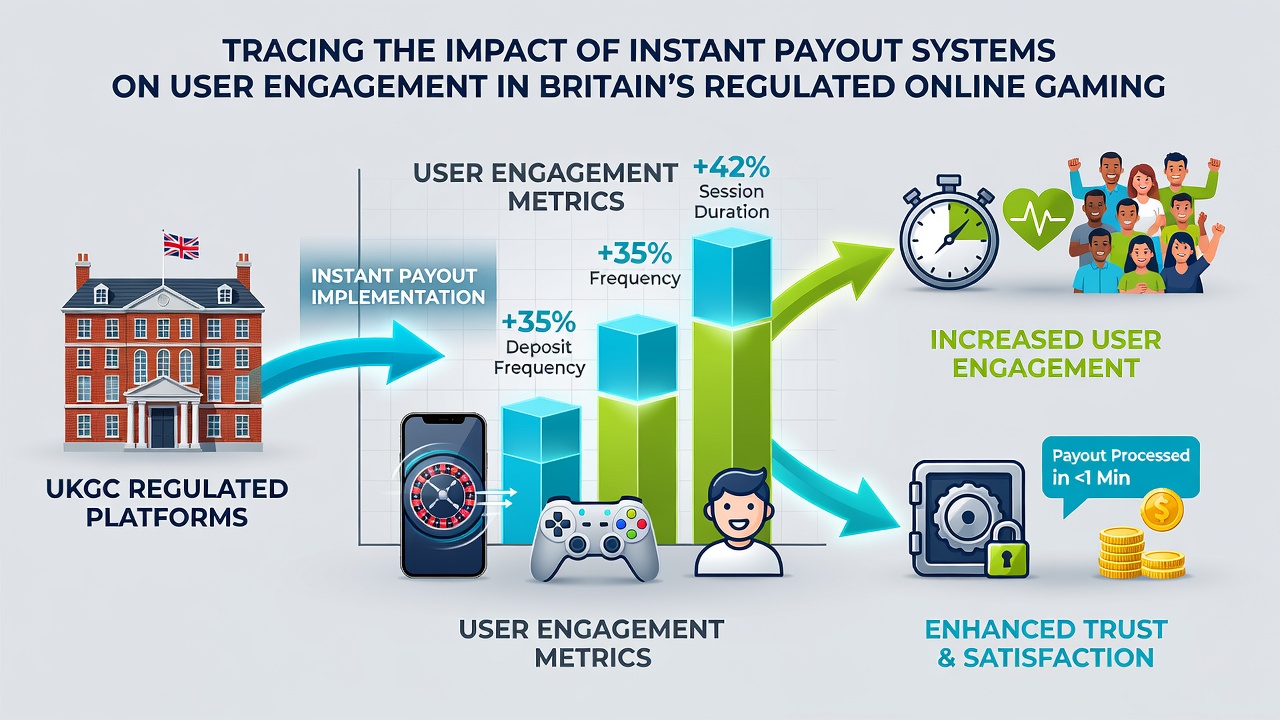
Those international datasets suggest the engagement boost stems less from increased spending and more from reduced friction at the cash-out stage, which in turn lowers the psychological barrier to returning for another session. Britain's licensed operators have mirrored these outcomes, with internal dashboards revealing that users who complete at least one instant withdrawal within their first month display retention curves that flatten later than those who encounter longer processing queues.
Operational Adjustments by Platforms
Platforms responded to these patterns by refining verification workflows and partnering with additional payment rails to maintain speed during peak hours, and several operators now publish average payout times as part of their public transparency reports. Technical teams have also introduced real-time status notifications that push updates to mobile apps, further tightening the loop between action and reward. Data analysts at these companies report that complaint volumes related to withdrawal delays fell sharply once instant options became standard, freeing support resources for other queries.
Conclusion
Instant payout systems continue to influence how engagement unfolds across Britain's regulated online gaming sector, with transaction data and retention statistics pointing to sustained differences in player behavior when speed of access improves. Patterns observed through 2026 align with findings from comparable regulated markets elsewhere, indicating that reduced friction at the withdrawal stage supports longer and more frequent interactions without altering underlying spend levels. As processing technology and verification methods keep evolving, the sector's ongoing measurement of these metrics will determine how widely such systems expand in the years ahead.