Exploring Regulatory Influences on E-Wallet Integration for Low-Deposit Live Casino Play in the United Kingdom
Written by David Schwarz · Aug 25, 2026
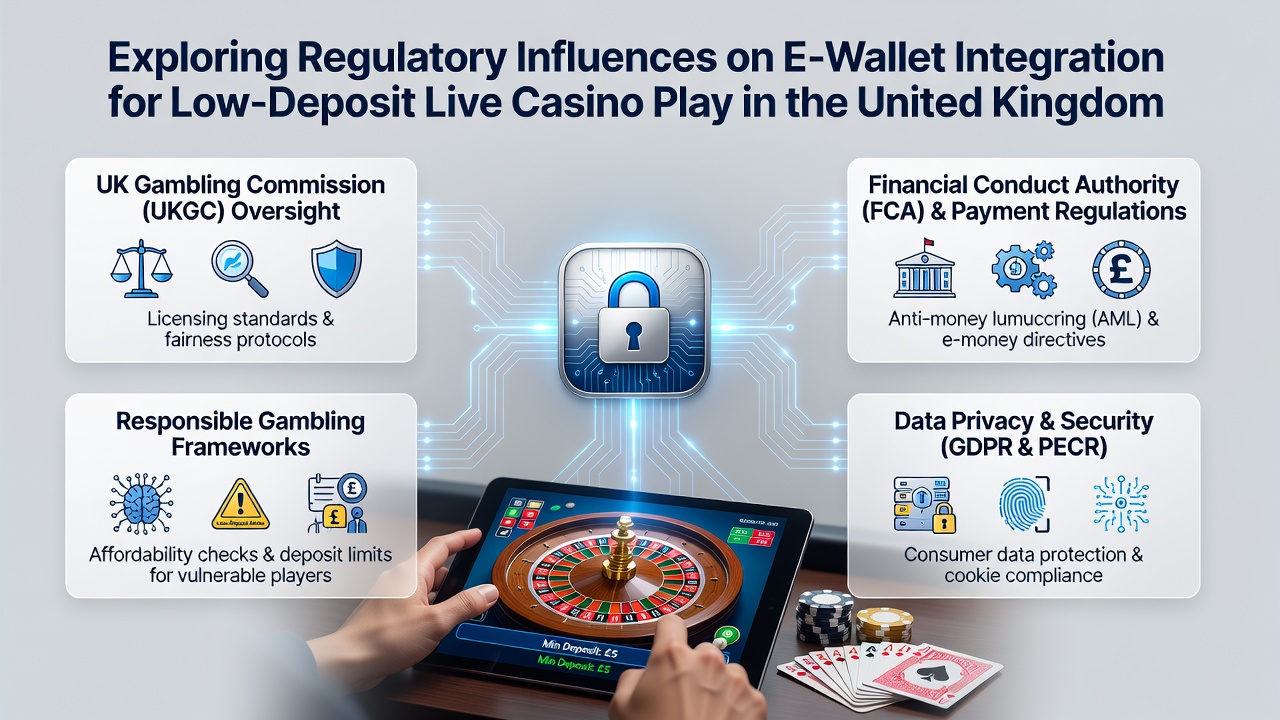
Exploring Regulatory Influences on E-Wallet Integration for Low-Deposit Live Casino Play in the United Kingdom
Regulatory measures shape how e-wallets connect with low-deposit live casino platforms across the United Kingdom, and payment service directives from the European Union continue to set standards that operators follow even after Brexit adjustments. Data from payment industry reports indicate that these rules require verification steps at multiple stages, which affects how quickly players can fund accounts with small amounts while participating in real-time dealer games.
Payment Service Regulations and Their Reach
Strong customer authentication requirements under revised payment directives create layers of checks that e-wallet providers must implement before processing deposits as low as five pounds, and this process often involves linking bank accounts or mobile numbers to confirm identity before funds reach casino servers. Observers note that such steps reduce fraud risks yet extend the time between a player selecting a live table and actually placing the first bet, especially when live casino streams demand immediate action.
Financial Conduct Authority guidelines on electronic money institutions further influence how these providers structure their services for gambling merchants, and they emphasize segregation of customer funds along with regular audits that extend to transaction monitoring for patterns associated with low-value, high-frequency plays common in live casino environments.
E-Wallet Providers Adapting to Compliance Demands
Major e-wallet companies have adjusted their integration protocols to align with anti-money laundering thresholds that apply specifically to gambling transactions, and these adjustments include automated flags for deposits below certain limits that trigger additional source-of-funds questions during live play sessions. Research from academic institutions in Australia shows similar patterns where payment gateways balance speed with oversight to maintain both player access and regulatory standing.
Operators in the UK market report that partnerships with regulated e-wallet services now require shared compliance dashboards, allowing real-time visibility into deposit flows that support low-stake live casino tables without breaching overall spending caps set by responsible gambling frameworks.
Low-Deposit Features in Live Casino Settings
Live casino games streamed from studios in Malta and other jurisdictions rely on e-wallet instant transfers to keep minimum bets viable at levels like fifty pence per hand, yet regulatory caps on promotional bonuses tied to these deposits limit how operators market such features to new users. Figures from industry analyses reveal that players who use e-wallets for these small entries often maintain longer session durations compared with card-based methods because fewer friction points appear during repeated low-value transactions.

August 2026 brought updated guidance from the European Banking Authority on open banking interfaces, and this development prompted several UK-facing e-wallet services to refine their API connections so that low-deposit live casino transfers complete within seconds while still logging every step for audit trails required under gambling oversight rules.
Technology Standards and Data Security
Encryption standards mandated for payment data transmission protect player details during the brief window when funds move from e-wallet to casino account, and these protocols also cover the metadata generated by live casino interactions such as bet timing and table selection. University-led studies in Canada have examined how similar security layers affect user retention in regulated markets, finding that seamless e-wallet flows correlate with higher repeat participation rates at low deposit thresholds.
Tokenisation methods now replace actual account numbers in many integrations, which reduces exposure during the frequent small transfers typical of live roulette or blackjack sessions, and operators must demonstrate to regulators that these systems maintain integrity across multiple device types used by players.
Cross-Border Considerations for Operators
UK-based platforms that accept players from other European regions face additional layers of rules on currency conversion and transaction reporting when e-wallets process low deposits in live casino lobbies, and these requirements stem from international agreements that aim to prevent regulatory arbitrage. Data shared through industry associations indicate that compliance teams dedicate significant resources to mapping each jurisdiction's stance on digital wallets to avoid service disruptions.
Recent updates to consumer protection directives in the EU have prompted e-wallet providers to include clearer disclosure screens before confirming deposits, and these changes help players understand fee structures that might otherwise erode the value of small live casino stakes over extended periods.
Conclusion
Regulatory influences on e-wallet integration continue to define the parameters for low-deposit live casino play in the United Kingdom through layered requirements on authentication, fund segregation, and transaction monitoring. Developments such as those noted in August 2026 demonstrate how evolving payment standards from multiple regions shape the technical connections that allow these services to operate within legal boundaries while supporting player access to real-time gaming environments.